
Boarding at Sakeji is more than a place to rest—it’s a structured, supportive environment where students learn responsibility and build confidence. Each dorm is overseen by dedicated dorm parents—qualified members of our school staff—who live alongside the students and provide daily guidance. They lead nightly devotions, help with homework, and offer emotional and spiritual support, ensuring every child feels known, challenged, and cared for.
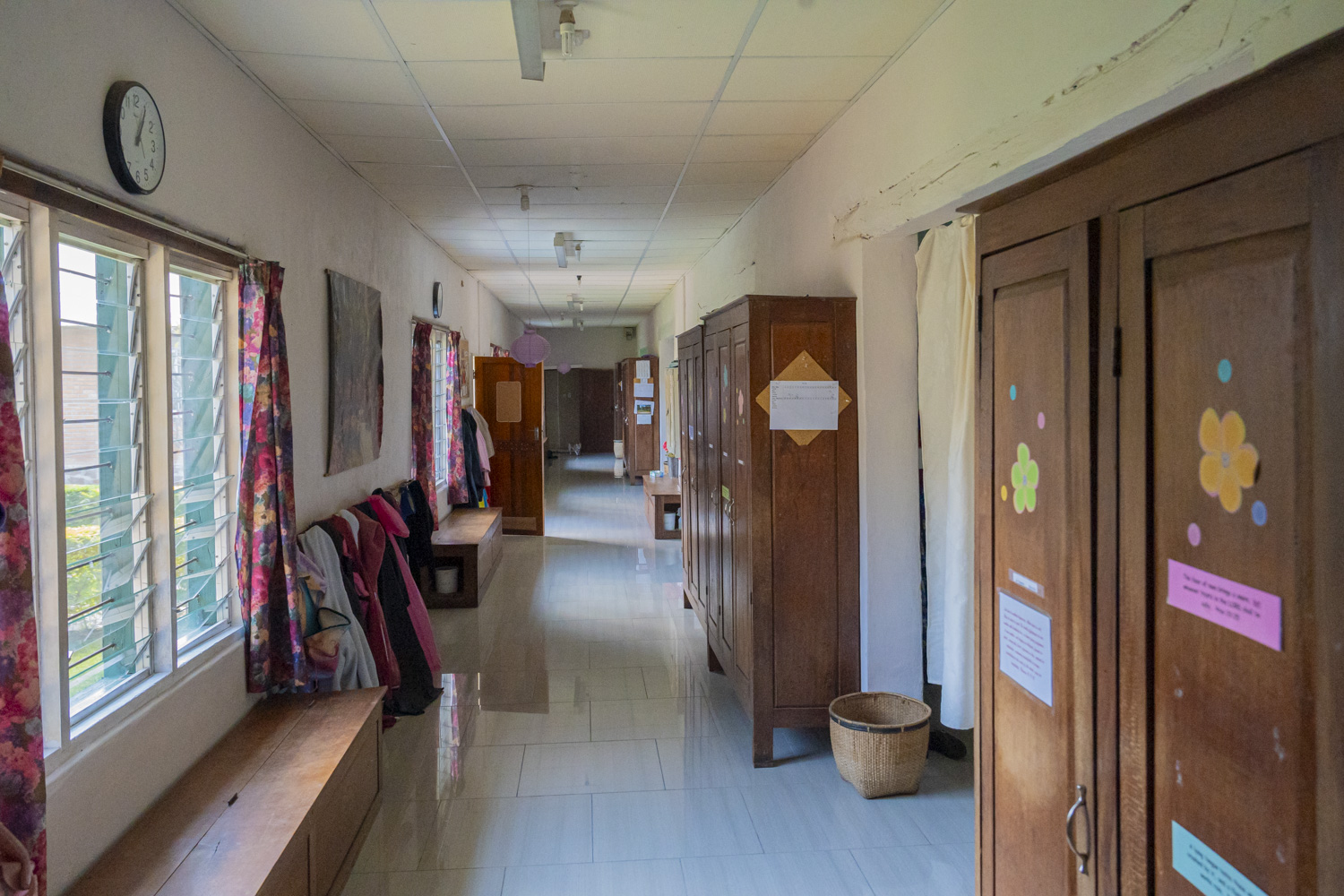
Children are grouped by age, with boys and girls housed separately. Dorm parents manage household routines—from lights-out schedules and laundry (all bedding and clothing are washed in our on-site facilities) to shared meals in the central dining hall. Through our Big Brother / Big Sister program, older students mentor newcomers, helping them adapt to school life and dorm routines.
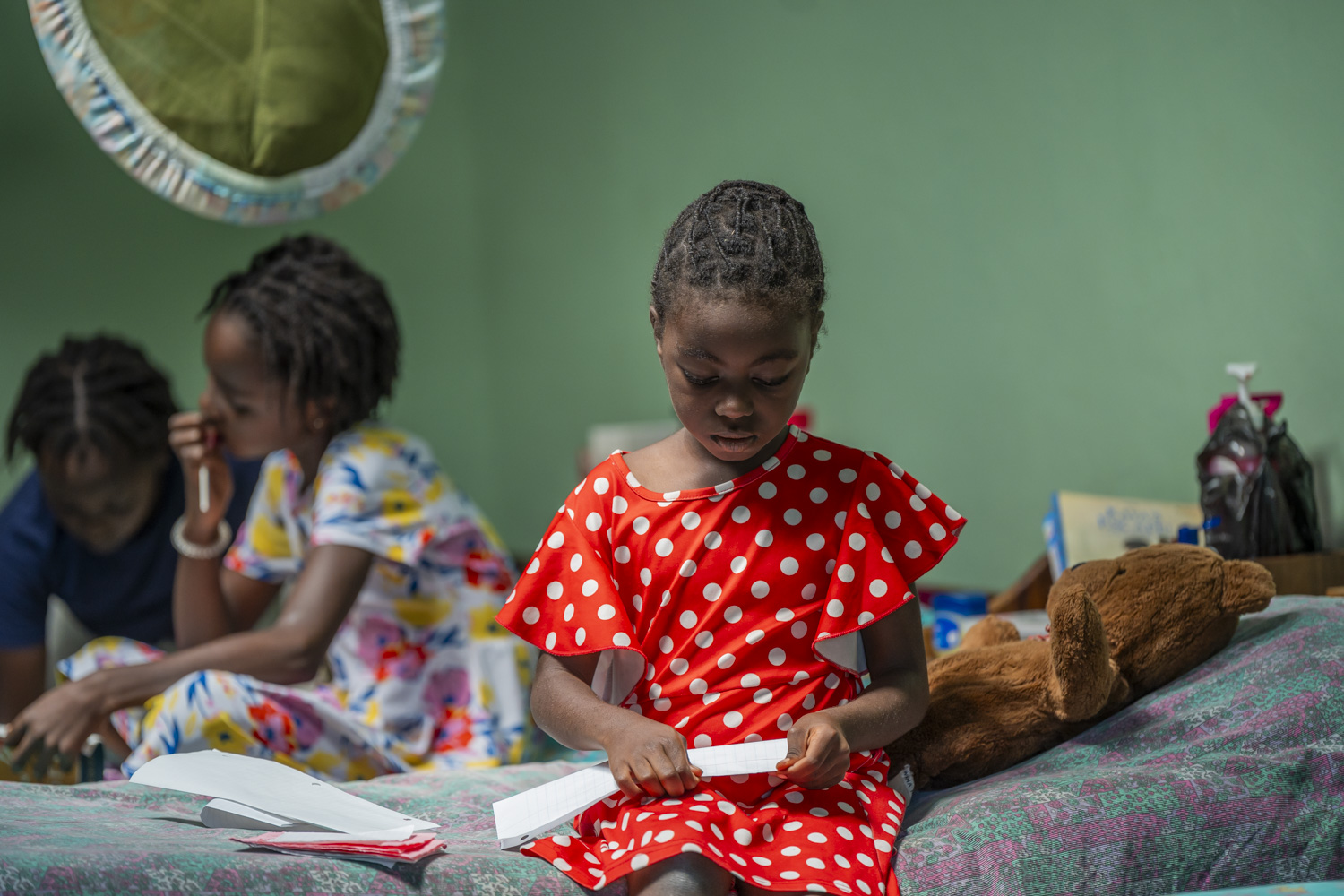
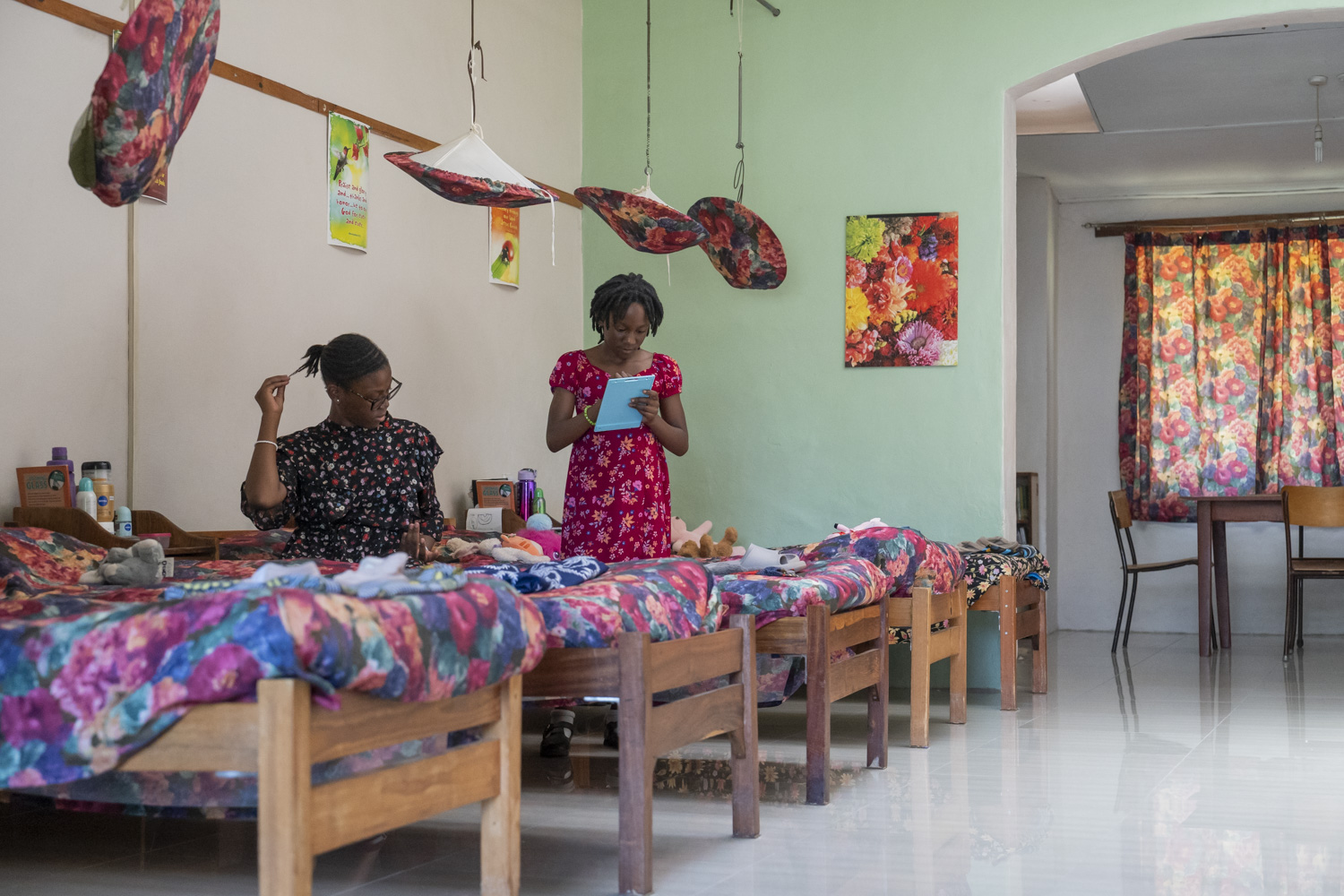
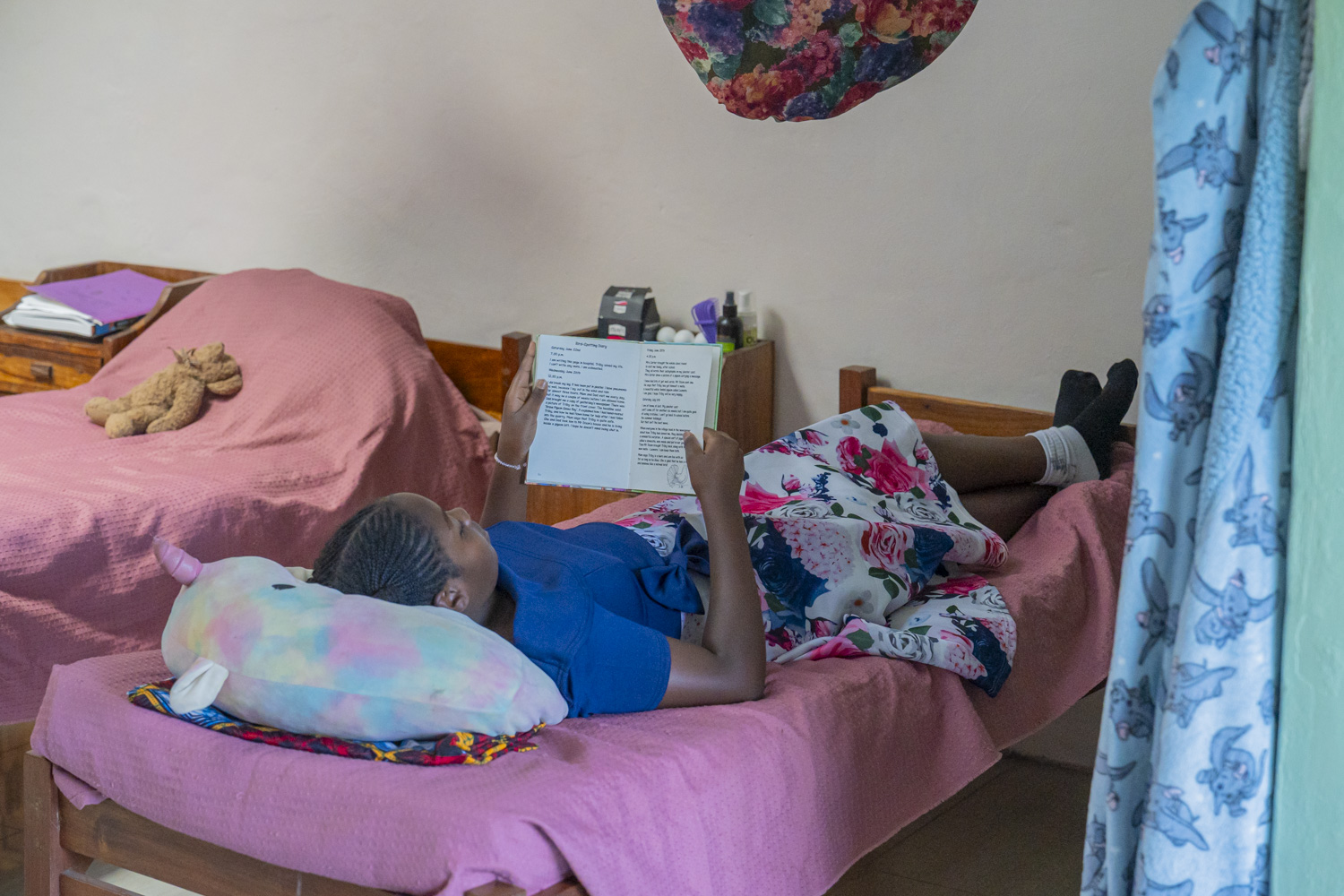
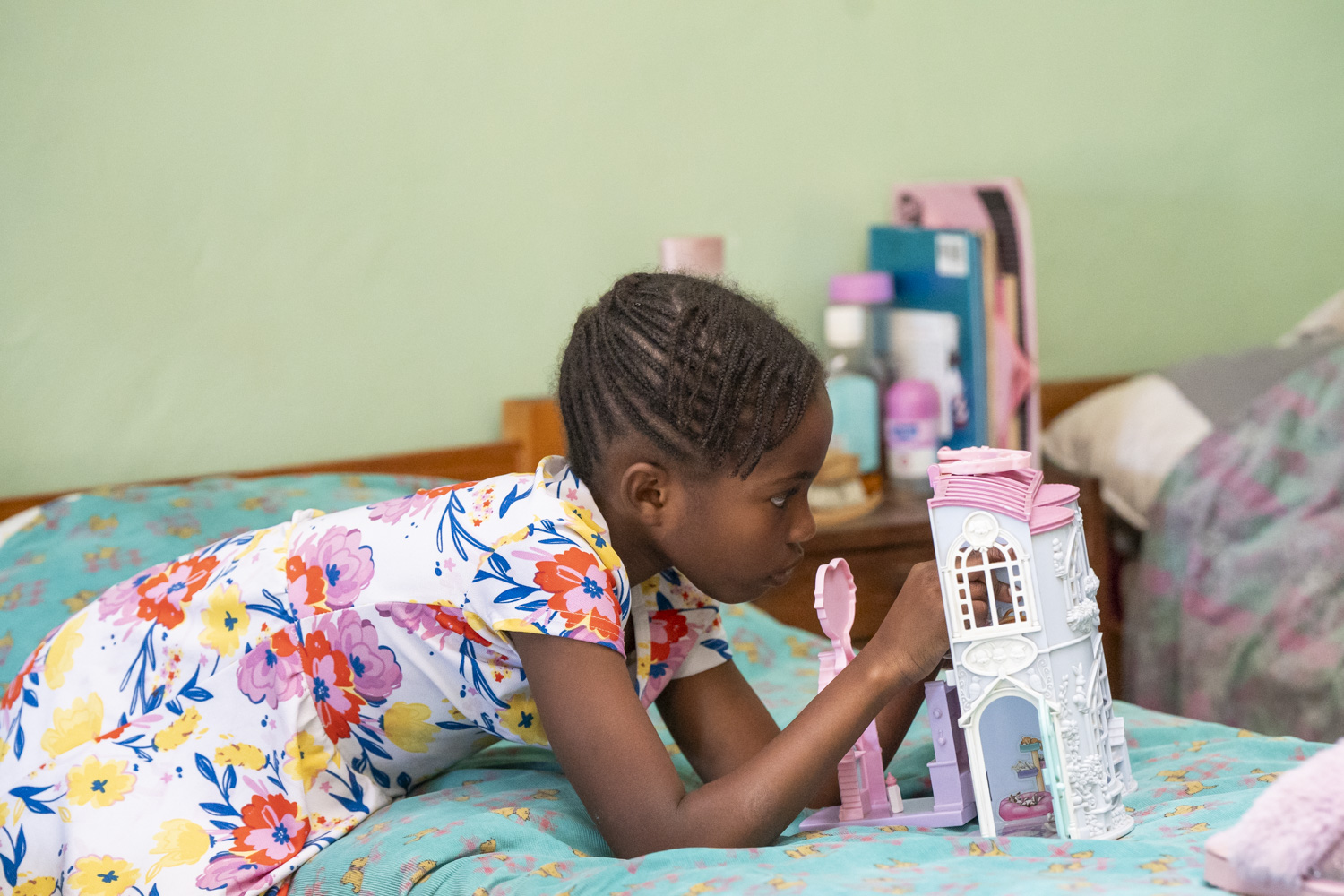
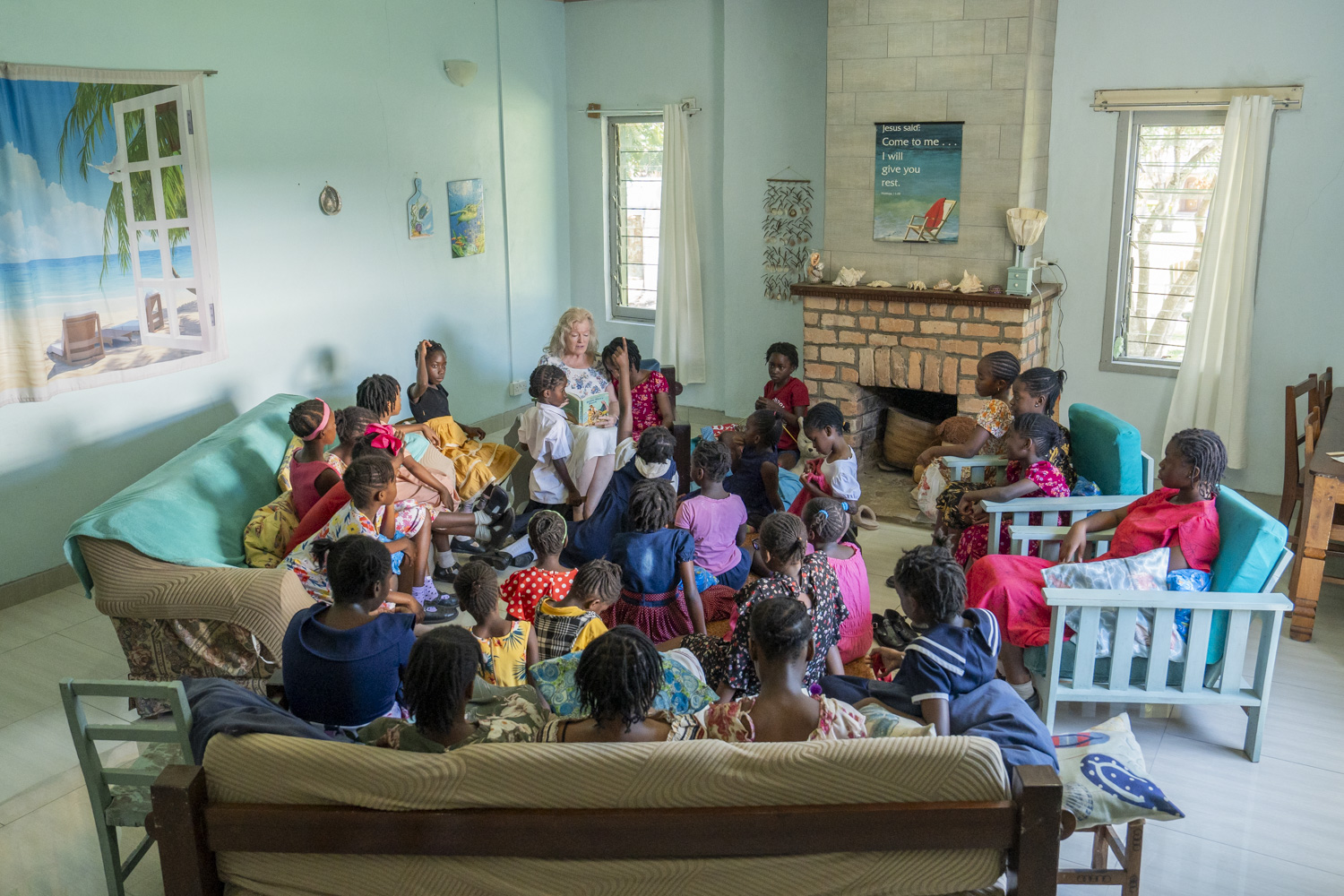
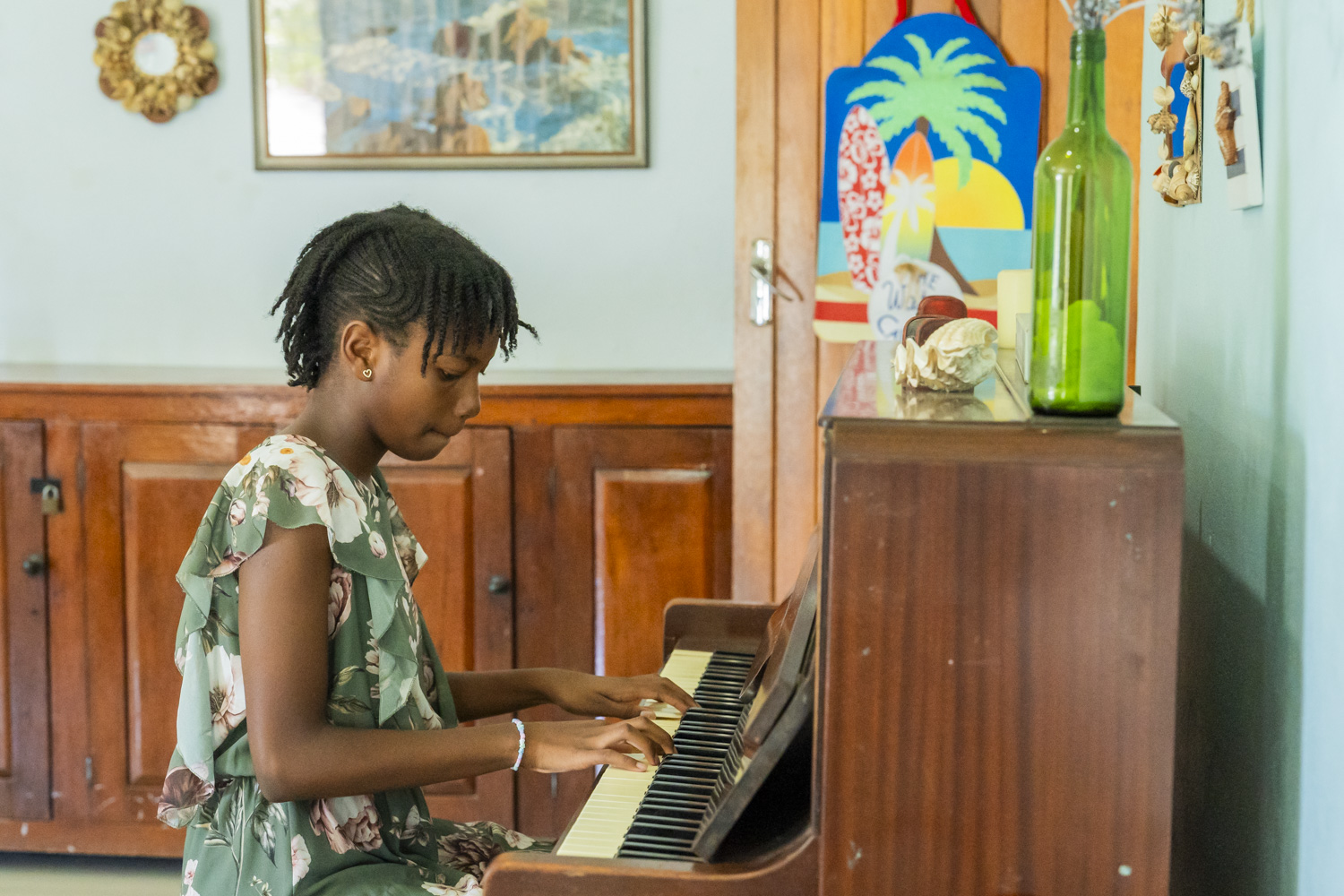
The girls’ dorm fosters a strong sense of sisterhood and mutual support. Under the gentle supervision of dorm staff, girls learn how to manage daily routines, develop healthy habits, and form lasting friendships. The atmosphere is nurturing and respectful, with older girls taking younger ones under their wing to guide them through school life and transitions. Celebrations, dorm devotions, and moments of quiet reflection are a regular part of life here.
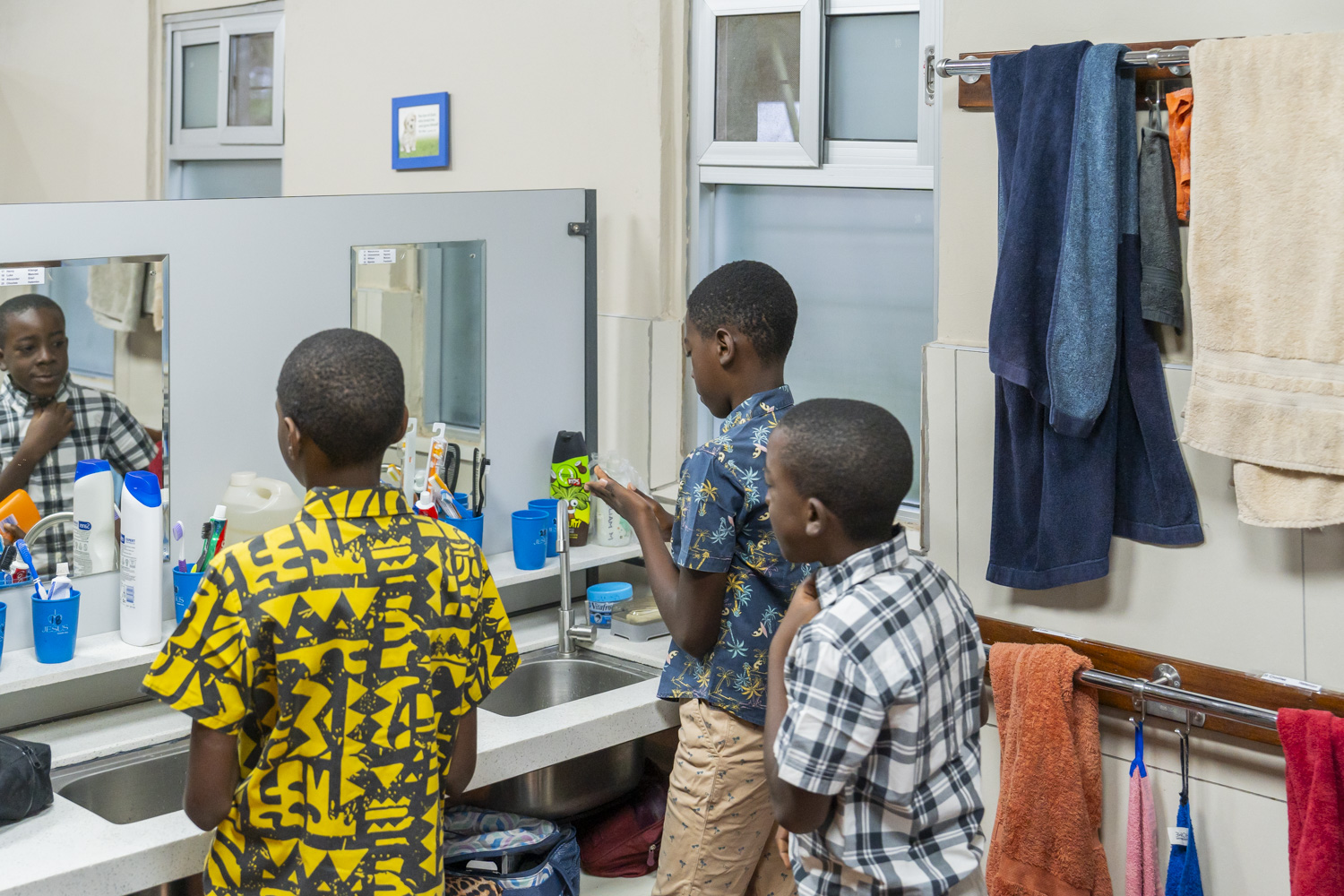
In the boys’ dorm, structure and camaraderie go hand in hand. Dorm parents model positive habits—tidy living spaces, good hygiene and respectful behaviour—and step in to tutor or talk through bigger challenges, from classroom struggles to personal concerns. Older boys take leadership roles, guiding chores and peer study sessions, while everyone shares in daily devotions and group activities.
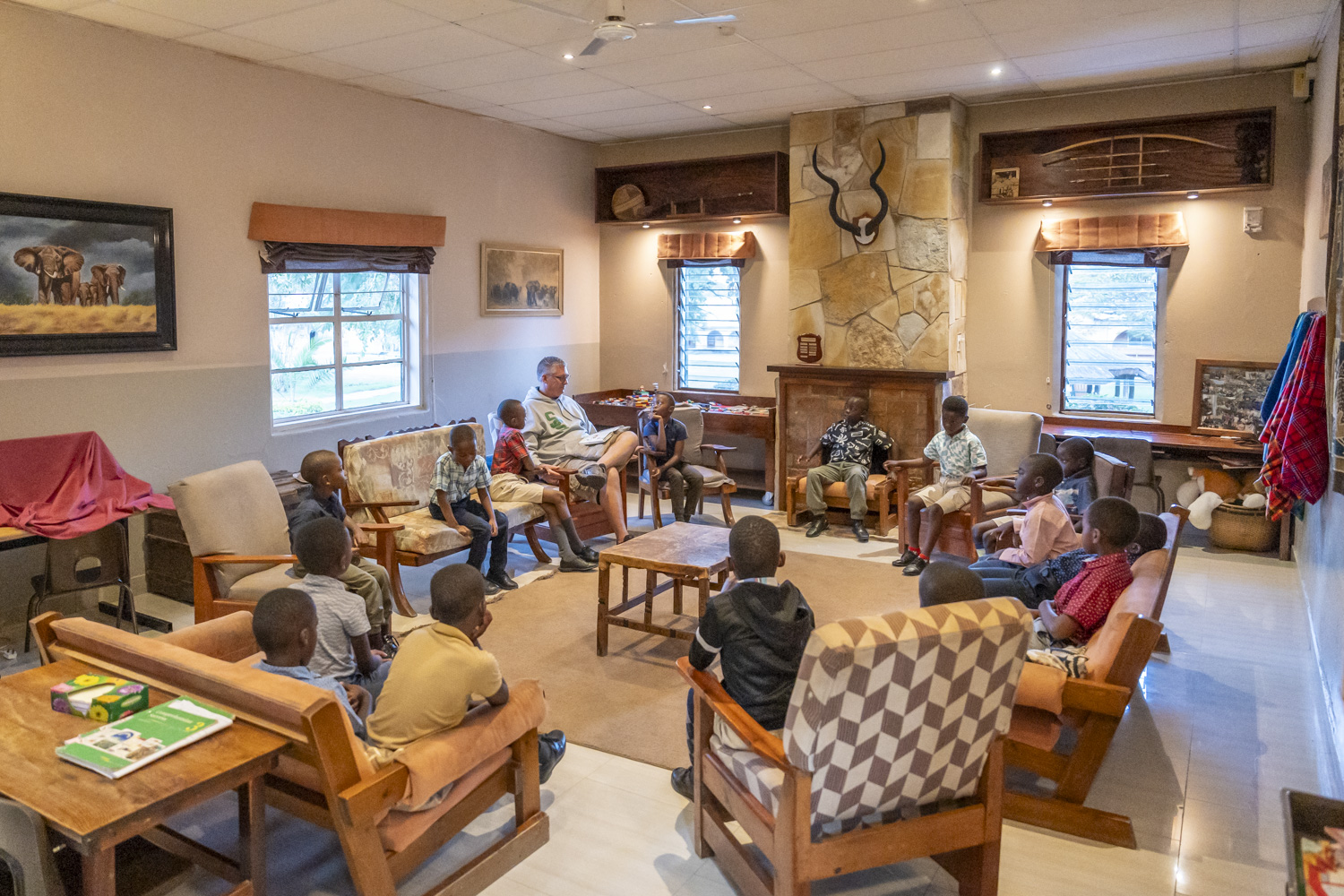
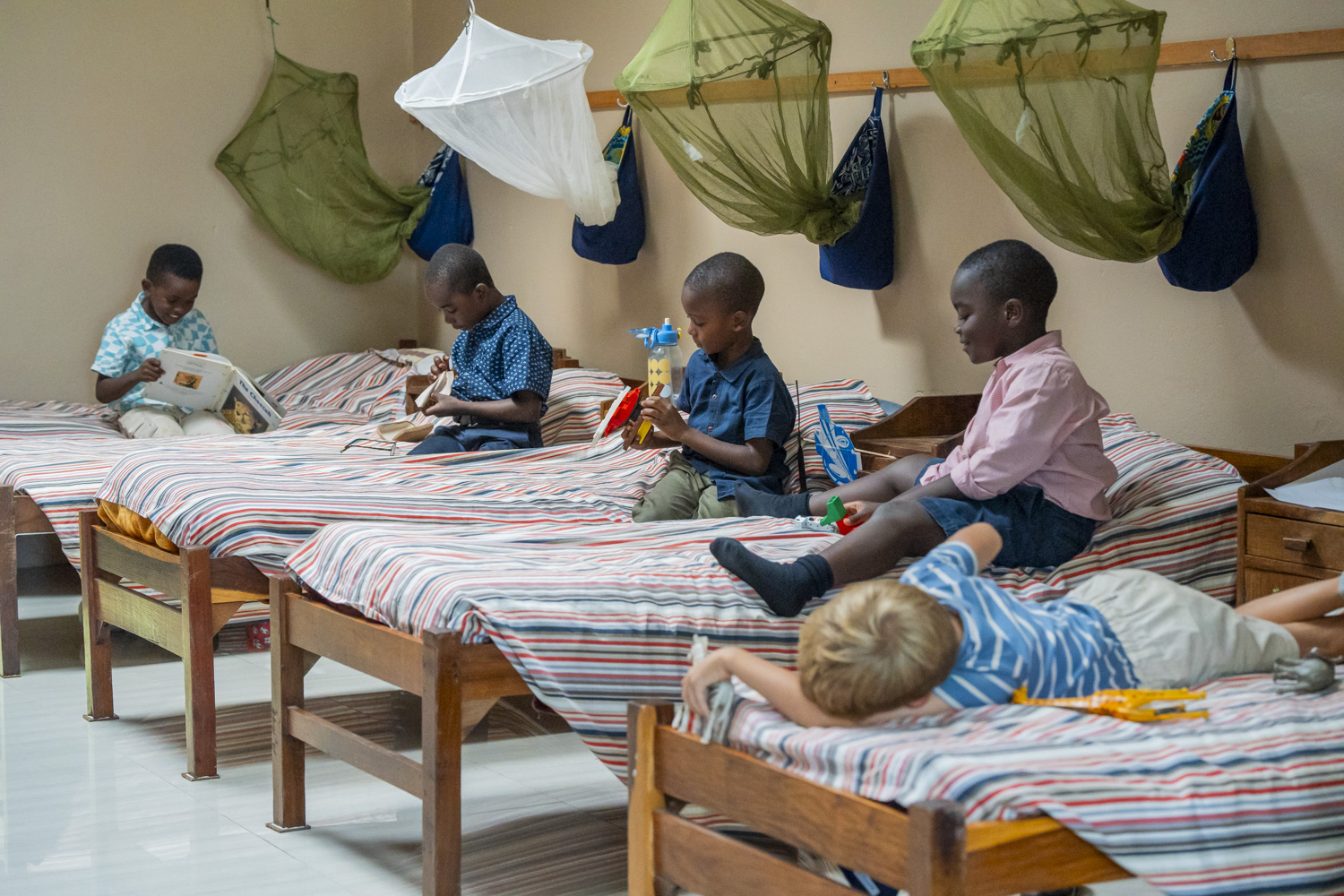
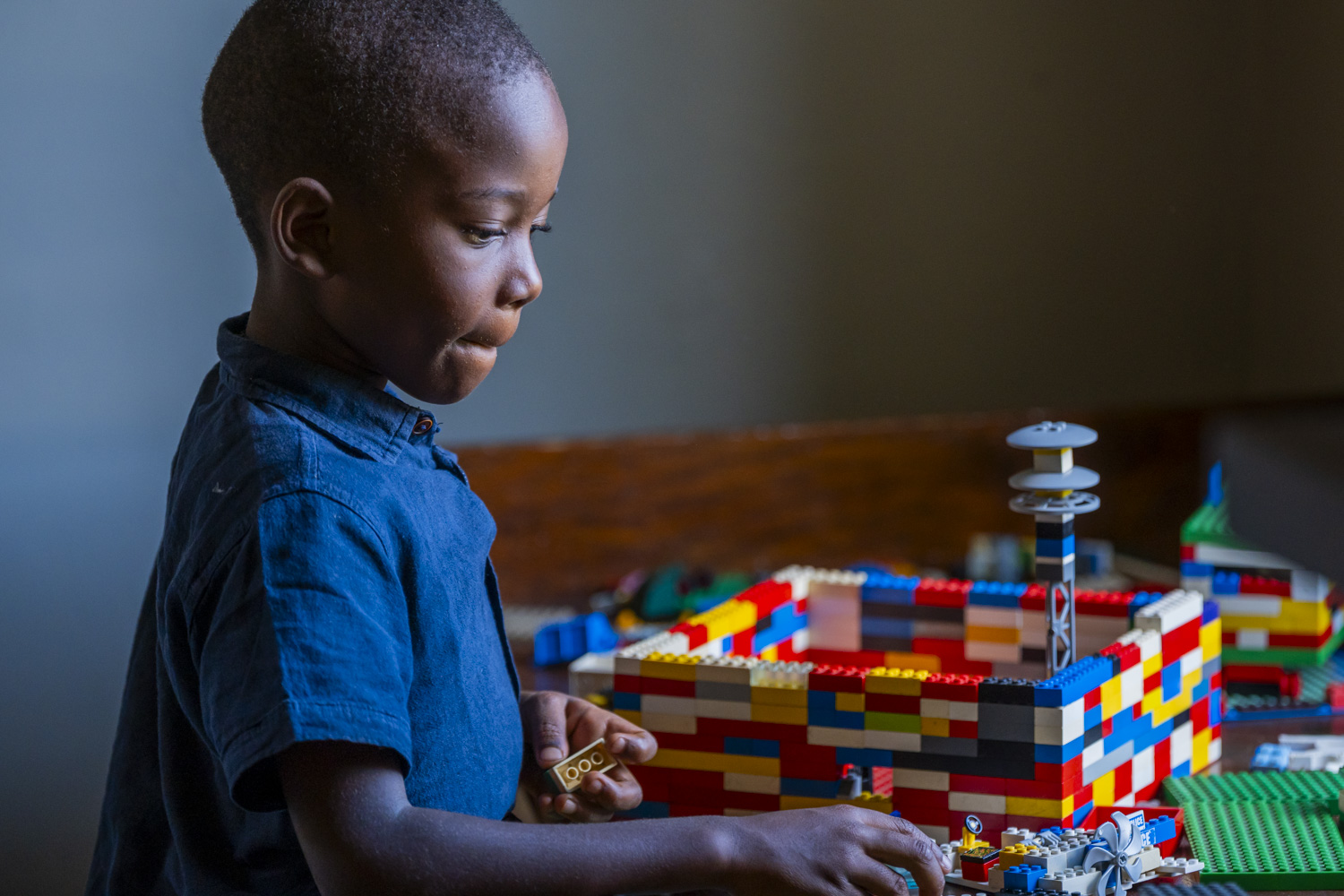


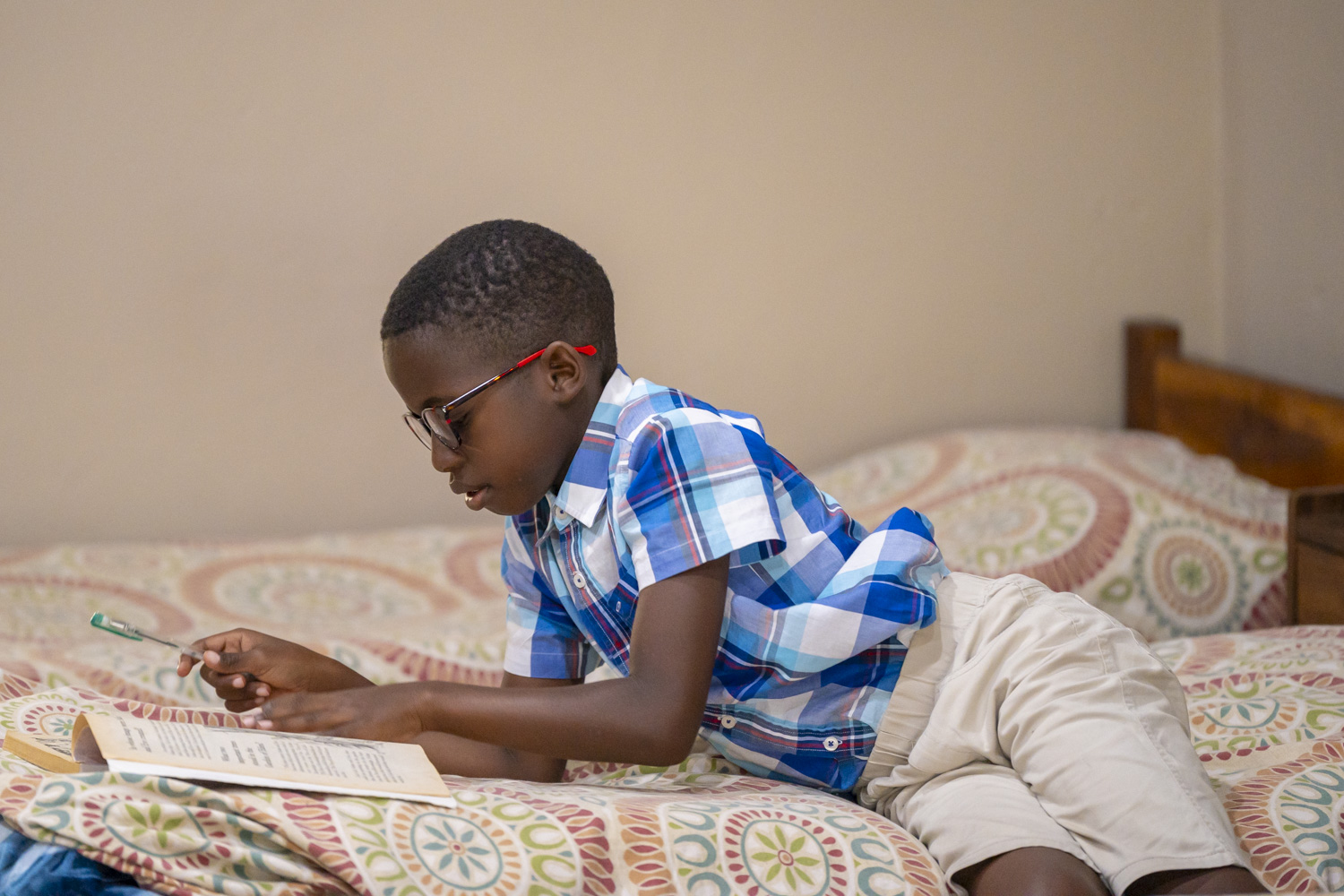
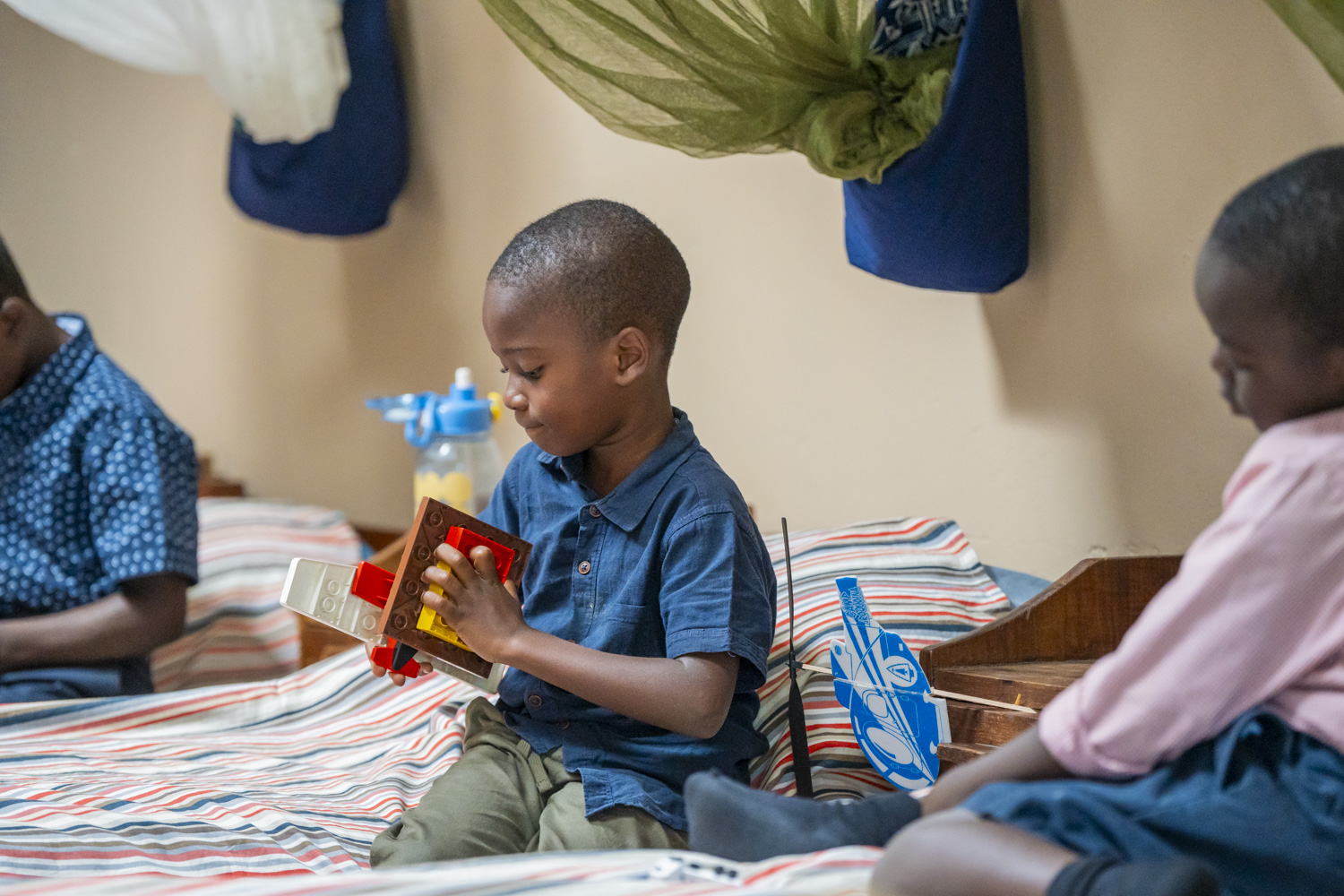
Living together in the dorms teaches students real-world skills—time management, teamwork, and self-care—that extend far beyond the classroom. With dorm parents’ close involvement in academics, devotions, and daily life, students form strong bonds with both adults and peers. This “home away from home” cultivates resilience, belonging, and friendships that often last a lifetime.